Translate a PDF into Italian — every field, table and checkbox still where it was.
- Script
- Latin
- Bundled font file
- NotoSans-Regular.ttf
- Language tag
- it
A real document, before and after
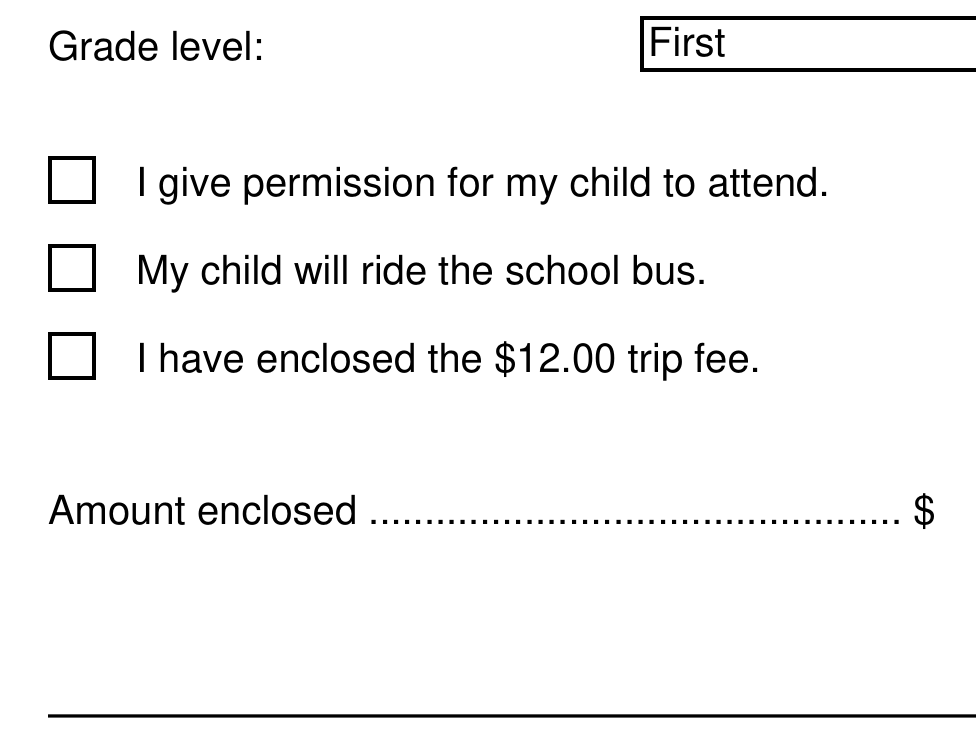
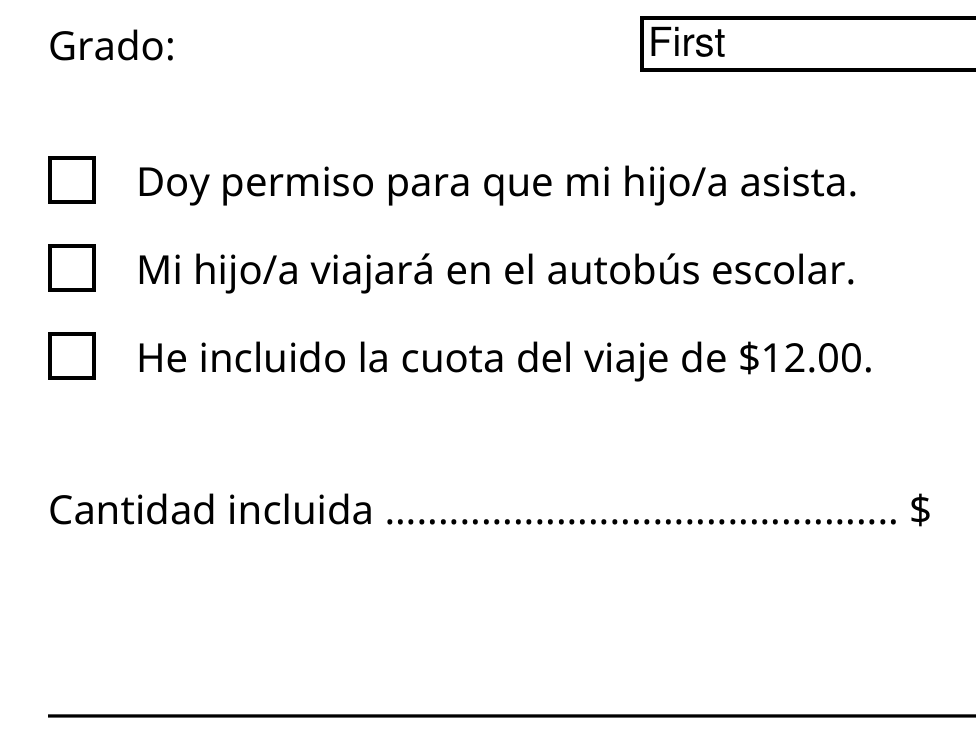
A public-domain form put through this engine. This sample was translated into Spanish; the rules on this page are the same for any language we draw.
Produced by this engine on September 13, 2026 from a public-domain form. No part of this image was edited by hand.
This is a working copy to help you understand the document — not a certified translation.
What changes when you translate into Italian
Every block, every color and every margin is kept — each block goes back in its own place, and nothing around it moves.
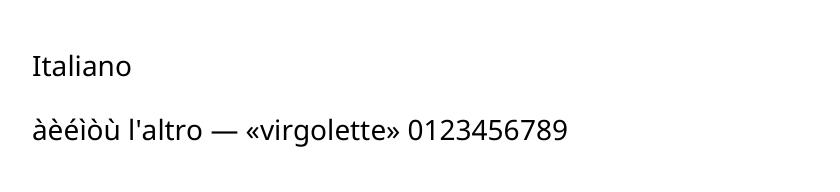
- Italian draws from the bundled Latin faces, and its probe covers five vowels carrying grave and acute accents plus an apostrophe used in elision. Every one of those measures a clean, fully covered set against the committed face. Italian marks stress with an accent only on a final vowel, as in the everyday words for city and for because, rather than on every stressed syllable the way some neighbouring languages do, so the probe deliberately checks only that narrower final-vowel set.
- A bolded or italicized Italian phrase keeps that emphasis on re-insertion: the engine resolves one of the four dedicated face files from the source run's own style bits, rather than falling back to a single plain weight. A doubled consonant, as in the everyday word for porridge versus the shorter word for dad, keeps both letters in every style — the engine never quietly collapses a geminate consonant pair down to one letter.
- Italian regularly elides a vowel with an apostrophe, as in the phrase for 'the other one' or 'an idea' — that apostrophe is not treated as a break opportunity by the wrap step, so an elided phrase can never be split at its apostrophe onto two separate lines. Translated Italian text typically runs longer than its English source: Italian, like Spanish, tends to spell out a separate article or preposition rather than folding it into a shorter English word or ending, so an Italian sentence usually needs more characters than the English it came from.
- Not yet. Scanned pages have no text layer, so there's nothing on them to translate. Remove them before you get a price; the translated PDF contains the pages you kept. If every page looks scanned, there's nothing to translate and nothing to pay. OCR is on the roadmap.
- A character in an Italian document that the bundled face cannot draw is replaced with a placeholder glyph, and the block containing it is recorded as glyph_unsupported in the report rather than silently dropped.
Any language we translate into. The bundled fonts draw Latin, Cyrillic, Han (Simplified) and Japanese (kanji, hiragana and katakana). Scripts we do not yet carry a font for — Arabic, Hebrew and others — are replaced with a placeholder and the block is flagged in the report, never silently dropped.