Translate a PDF into Romanian — every field, table and checkbox still where it was.
- Script
- Latin
- Bundled font file
- NotoSans-Regular.ttf
- Language tag
- ro
A real document, before and after
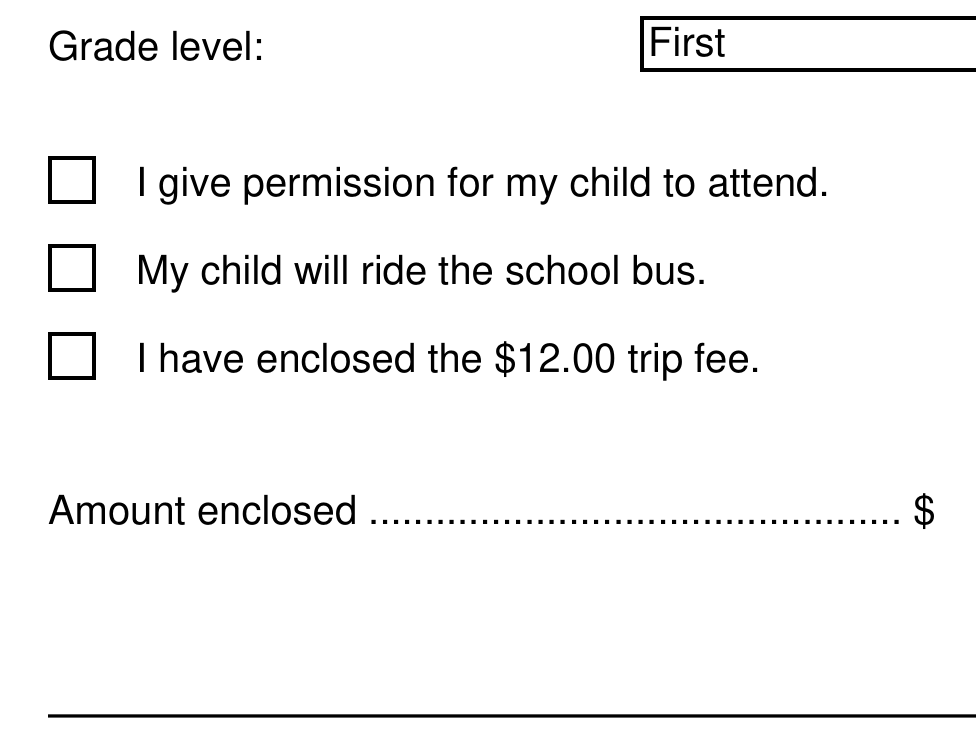
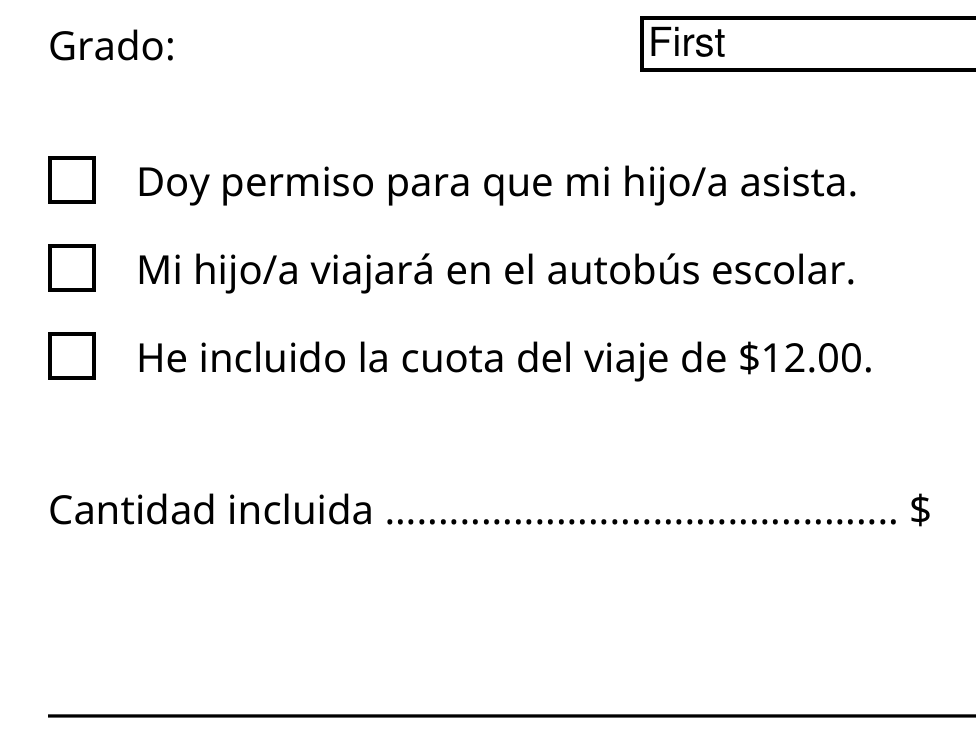
A public-domain form put through this engine. This sample was translated into Spanish; the rules on this page are the same for any language we draw.
Produced by this engine on September 13, 2026 from a public-domain form. No part of this image was edited by hand.
This is a working copy to help you understand the document — not a certified translation.
What changes when you translate into Romanian
Every block, every color and every margin is kept — each block goes back in its own place, and nothing around it moves.
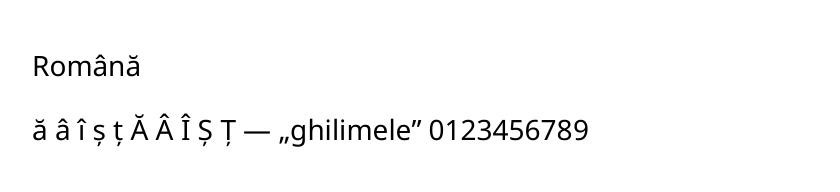
- Romanian is drawn with the same bundled sans and serif faces the engine picks for any Latin-script page, and the probe behind this page lists the s and t with a comma below — not the cedilla lookalikes a font can carry while missing these two codepoints entirely. Romanian standardized on the comma-below forms only in the 1990s; older texts and some fonts still substitute the cedilla forms borrowed from Turkish typography, which is exactly the confusion this probe was built to catch.
- Bold and italic Romanian survive as bold and italic: the selector reads the source run its own style bits and resolves a separate file for each of the four combinations, so a bolded consent line does not come back in the regular weight.
- Romanian sentences usually come back a little longer than their English source. Lines wrap at spaces first, then the type steps down in half-point stages and never past 75% of its original size, then grows into the empty space below if the obstacle above allows it; if a line still will not sit inside its box, it keeps its original wording and the page is flagged.
- Not yet. Scanned pages have no text layer, so there's nothing on them to translate. Remove them before you get a price; the translated PDF contains the pages you kept. If every page looks scanned, there's nothing to translate and nothing to pay. OCR is on the roadmap.
- If a Romanian character ever falls outside the bundled set, the engine draws a placeholder in its place and names that block in the report rather than dropping the line or guessing a lookalike.
Any language we translate into. The bundled fonts draw Latin, Cyrillic, Han (Simplified) and Japanese (kanji, hiragana and katakana). Scripts we do not yet carry a font for — Arabic, Hebrew and others — are replaced with a placeholder and the block is flagged in the report, never silently dropped.